Eco-Friendly Approaches: How E-Waste Recycling Services Are Preserving Our Planet
E-waste represents a considerable hazard to the environment, as discarded electronics often contain toxic materials. These hazardous substances can contaminate soil and water, leading to broader ecological damage. E-waste recycling services present a viable solution. They successfully retrieve useful resources while simultaneously minimizing environmental pollution. Comprehending the operation of these services and their influence on communities is of great importance. Pursuing efficient e-waste management brings forth pressing questions regarding individual duties and shared responsibility. What actions should be considered going forward?
Why Electronic Waste Is Harmful to the Planet
Even though technology enhances our daily lives, e-waste poses considerable environmental hazards. Discarded electronic devices, frequently composed of hazardous materials such as lead, mercury, and cadmium, can leach toxins into the surrounding soil and water supply, posing risks to human health and ecosystems. The accelerating rate of technological innovation contributes to increased consumer turnover of electronics, intensifying the growing problem of electronic waste.
Landfills, already burdened with waste, struggle to accommodate the growing volumes of discarded gadgets. Incineration, a common waste management technique, emits dangerous pollutants into the environment, degrading atmospheric conditions. Furthermore, inadequate recycling methods can result in the shipment of electronic waste to underdeveloped nations, where workers may break down equipment without proper protective measures, putting themselves at risk of exposure Check it out to hazardous materials. This pattern of negligence and mismanagement highlights the critical demand for eco-friendly recycling alternatives that can reduce the damaging impact of electronic waste on the environment.
What Is E-Waste and Why Does It Matter?
E-waste, also referred to as electronic waste, comprises obsolete electronic products like computers, smartphones, and televisions that have reached the end of their useful life. This increasingly prevalent form of waste is important due to its rapid accumulation, propelled by advances in technology and evolving consumer behaviors. As growing numbers of electronics become outdated, the environmental impact intensifies, with toxic materials such as lead, mercury, and cadmium presenting serious hazards to the environment and human well-being.
Addressing e-waste is crucial not only for reducing these dangers but also for acknowledging the precious materials found within it. Precious metals and rare earth elements can be recovered and reused, reducing the need for mining and conserving natural resources. With a thorough understanding of e-waste and its impact, people and organizations alike can make educated decisions about disposal and recycling, helping to build a more sustainable world. Responsible management of e-waste plays a key role in supporting a circular economy and championing environmental stewardship.
How the E-Waste Recycling Process Works
Recycling e-waste involves an organized procedure aimed at reclaiming useful resources while reducing harm to the environment. To begin, electronic waste is gathered and delivered to purpose-built recycling plants. Upon arrival, the devices undergo thorough sorting to distinguish harmful elements from reusable resources.
Following this, employees deconstruct the devices, extracting plastics, metals, and glass. This step is critical, as it makes possible the extraction of rare metals like silver, gold, and copper, which may be utilized in modern electronics.
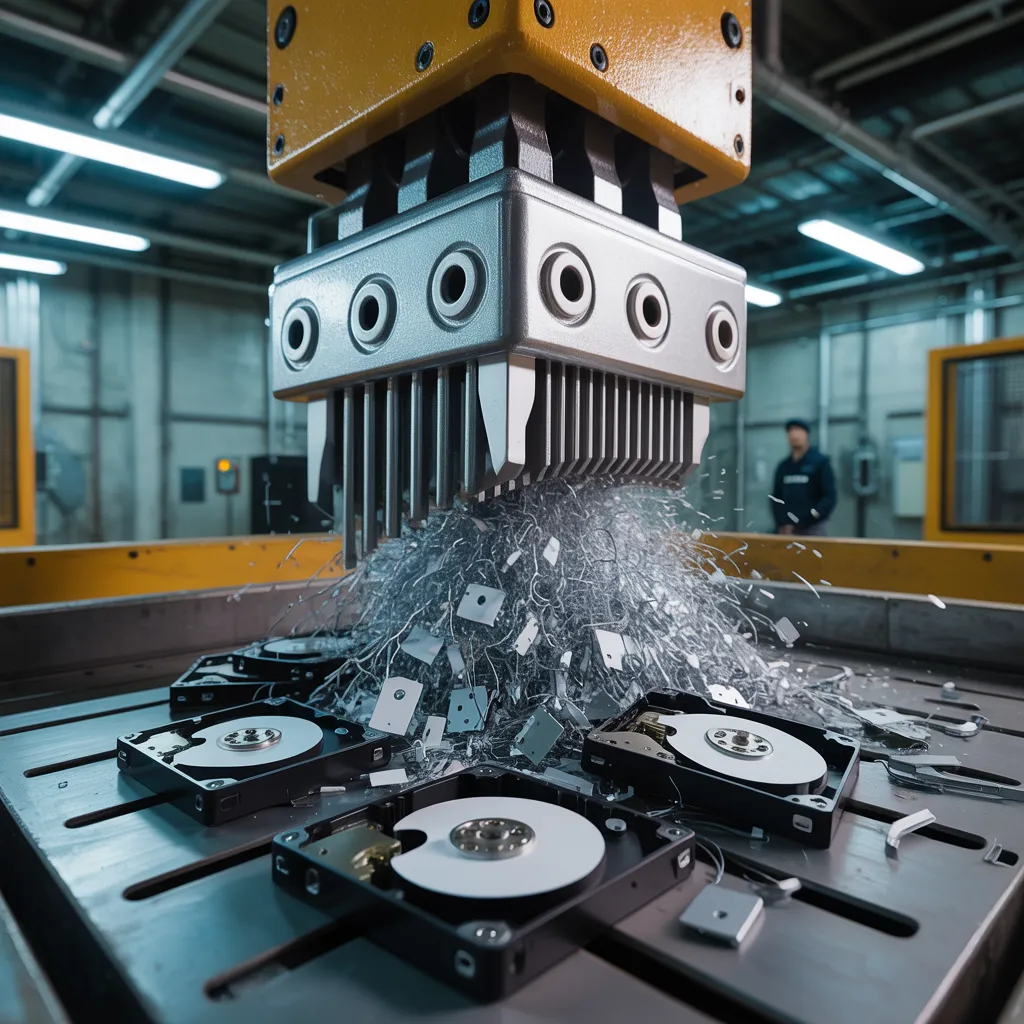
Next, the separated materials are handled using advanced techniques, such as chemical treatments and shredding, to prepare them for repurposing.
Finally, the leftover dangerous materials are managed properly, adhering to environmental guidelines. This multi-step approach not only conserves resources but also reduces the dangers connected to irresponsible electronic waste disposal, ensuring a more sustainable future for the consumption of electronics.
Why E-Waste Recycling Matters for You and Your Community
Though many people are unaware, the advantages of e-waste recycling extend beyond personal convenience to positively impact entire communities. By responsibly disposing of electronic waste, individuals contribute to a healthier environment, reducing harmful substances that can seep into soil and water. This proactive approach actively safeguards local ecosystems and supports public health.
Additionally, the recycling of e-waste encourages employment opportunities within local communities. Nearby recycling establishments regularly need employees for a range of functions, spanning collection through processing, thereby providing employment opportunities to area workers. This not only strengthens the regional economy but also promotes community participation in sustainable initiatives.
In addition, knowledge about e-waste recycling has the potential to generate educational initiatives, empowering residents to embrace sustainable practices. By taking part in e-waste recycling programs, individuals promote a culture of sustainability, encouraging others to follow suit. Ultimately, the cumulative impact of these actions can contribute to a more resilient and environmentally responsible community.
How to Select an E-Waste Recycling Service
Selecting the best electronic waste recycling provider is crucial for guaranteeing that electronic waste is handled responsibly and sustainably. Initially, consumers should check the service's accreditations, such as R2 or e-Stewards, which demonstrate compliance with professional guidelines for responsible recycling methods. It's also important to examine the provider's credibility by checking reviews and looking for referrals from reliable sources.
Furthermore, transparency in the recycling process is vital. A reliable company should provide clear information about the way e-waste is handled and what happens to the materials. Additionally, assessing the variety of services available can be advantageous; some companies may provide pickup services or offer incentives for recycling.
In addition, understanding area-specific requirements for e-waste disposal can additionally influence the selection process. By taking these elements into account, residents can actively participate in effective e-waste management while supporting sustainable environmental efforts.
Ways You Can Participate in E-Waste Recycling?
Participating in e-waste recycling can start at the local level, where recycling centers regularly supply essential services for safe disposal. Furthermore, participating in community awareness campaigns can strengthen efforts to educate others about the importance of proper e-waste handling. These actions not only advance environmental sustainability but also cultivate a collective sense of stewardship of the environment.
Regional Recycling Centers
Numerous regional recycling hubs perform an important function in the recycling of e-waste, supplying communities with reliable ways to manage electronic waste appropriately. These hubs welcome a variety of digital devices, including outdated computers, mobile phones, and TVs, ensuring that harmful materials are handled safely. Most centers are equipped with trained staff who support individuals in understanding proper disposal practices, emphasizing the importance of recycling over landfilling. In addition, many centers offer scheduled drop-off occasions or specific collection dates, allowing residents to take part with ease. By taking advantage of these neighborhood resources, community members advance a circular economy, reducing environmental impact and promoting sustainable practices. Engaging with these centers encourages communities to fight e-waste pollution decisively.
Community Education Campaigns
Local organizations, schools, and businesses can work together to organize events that support e-waste collection drives. Volunteers can play a pivotal role in spreading awareness, distributing educational materials, and engaging with the community. As a result of these combined actions, local inhabitants gain greater awareness and encouragement to properly recycle their e-waste, thereby helping to build a greener and more sustainable tomorrow.
Frequently Asked Questions
What Types of Electronics Can Be Recycled?
A wide range of electronics can be recycled, including computers, smartphones, televisions, laptops, gaming consoles, and printers. Moreover, ancillary devices such as batteries, keyboards, and mice are equally appropriate for recycling, aiding in environmental conservation efforts.
Is There a Cost Associated With E-Waste Recycling?
That's correct, e-waste recycling may involve charges, subject to the facility. Certain providers charge fees for pickup or handling, while others offer free services, typically funded by the proceeds from salvaged materials.
What Are the Benefits of E-Waste Recycling for Businesses?
Organizations can gain from e-waste recycling by minimizing disposal costs, improving their green reputation, complying with regulations, recovering valuable materials, and creating potential earnings via resale, ultimately contributing to a more sustainable operational strategy.
What Becomes of Data on Recycled Devices?
Data regarding repurposed electronics is frequently completely removed or obliterated during the refurbishment process. This confirms private details remains secure, stopping improper access while enabling materials to be repurposed securely and sustainably across new manufacturing processes.
Is It Possible to Recycle Damaged Electronics?
Yes, defective electronics can be recycled. Many centers accept non-functioning devices, ensuring responsible disposal and retrieval of precious materials. Doing so helps reduce harm to the environment while promoting responsible recycling practices to control e-waste responsibly.